


Key Takeaways
Aspect |
Key Point |
|---|---|
| Most Common Issues | Seal failures, pump problems, and contaminated fluid |
| Warning Signs | Unusual noises, slow operation, fluid leaks, overheating |
| Preventive Maintenance | Regular fluid changes, filter replacements, pressure checks |
| Cost Factors | Component type, labour complexity, system downtime |
| When to Call Experts | High-pressure systems, complex diagnostics, safety concerns |
| Typical Repair Time | 2-8 hours depending on issue complexity |
Understanding Hydraulic System Failures
Hydraulic systems fail more often than most people realise, and it’s usually down to three main culprits. After twenty years working on everything from small workshop presses to massive industrial excavators, I’ve seen the same problems crop up again and again.
Contaminated fluid causes about 70% of hydraulic failures. It sounds simple, but dirty oil destroys seals, clogs valves, and wears out pumps faster than you’d expect. I once had a client who ignored their fluid condition for two years – ended up costing them £15,000 in repairs when a simple £200 service would’ve prevented the whole mess.
The second biggest issue is seal degradation. Rubber seals don’t last forever, especially when they’re exposed to temperature extremes or the wrong type of fluid. You’ll know when seals are going because the system starts leaking, loses pressure, or makes weird noises during operation.
Pump failure rounds out the top three. When pumps start wearing out, they can’t maintain proper pressure, which affects the entire system’s performance. Sometimes you’ll hear a whining noise, or the system just won’t respond as quickly as it used to.
Temperature plays a huge role too. Hydraulic fluid that gets too hot (above 80°C) breaks down rapidly, while cold fluid becomes thick and sluggish. I’ve seen systems that work perfectly in summer but struggle terribly during winter months.
Most hydraulic problems don’t happen overnight – they develop gradually. That’s why regular monitoring matters so much. A simple weekly visual inspection can catch issues before they become expensive disasters.
Common Signs Your Hydraulic System Needs Repair
Recognising the early warning signs can save you thousands in repair costs. Your hydraulic system talks to you constantly – you just need to know what to listen for.
Unusual noises are often the first indicator something’s wrong. A healthy hydraulic system runs relatively quietly. If you start hearing grinding, whining, or banging sounds, that’s your cue to investigate. Grinding usually means contamination is wearing out internal components, while whining often points to pump problems or cavitation.
Slow or erratic operation is another dead giveaway. When cylinders extend or retract more slowly than usual, or if movements become jerky and unpredictable, you’re likely dealing with internal leakage or pump wear. I had one client whose forklift started lifting loads really slowly – turned out the main cylinder seals were completely shot.
Visible fluid leaks seem obvious, but many people ignore small drips until they become major puddles. Any external leakage means seals or connections have failed. Even tiny leaks let contaminants in and pressure out, so don’t ignore them.
Overheating shows up when fluid temperatures rise above normal operating ranges. Hot fluid feels warm to the touch on reservoir walls, and you might notice the system struggling more than usual. Overheating accelerates component wear and fluid breakdown dramatically.
Inconsistent pressure readings indicate internal problems. If your pressure gauge shows normal readings but the system performs poorly, you might have internal bypass issues. Conversely, if pressures fluctuate wildly, there could be blockages or pump problems.
Fluid appearance changes tell you a lot about internal condition. Healthy hydraulic fluid should be relatively clear with its original colour. Dark, cloudy, or contaminated-looking fluid needs immediate attention.
Smart operators check these indicators weekly during routine maintenance. Catching problems early means smaller repair bills and less downtime.
Essential Tools and Equipment for Hydraulic Repairs
Having the right tools makes hydraulic repairs much safer and more efficient. Over the years, I’ve built up quite a collection, but there are some essentials every workshop should have.
Pressure testing equipment tops my list. You can’t diagnose hydraulic problems properly without knowing actual system pressures. A good pressure test kit with various adapters costs around £300-500, but it pays for itself quickly. I use mine almost daily for troubleshooting.
Seal installation tools are crucial for proper repairs. Trying to install seals without proper tools usually damages them, leading to premature failure. A basic seal driver set and installation sleeves for common sizes will handle most jobs. Expect to spend £200-400 for quality tools.
Fluid analysis kits help determine contamination levels and fluid condition. Some are simple visual tests, while others provide detailed particle counts and chemical analysis. Even basic test kits give valuable information about when to change fluid or investigate further.
Torque wrenches ensure proper connection tightness. Hydraulic fittings need specific torque values – too loose and they leak, too tight and you damage threads or crack components. A quality torque wrench set covering 10-200 Nm handles most hydraulic work.
Safety equipment can’t be overlooked. High-pressure hydraulic fluid can inject through skin, causing serious injury. Safety glasses, gloves rated for hydraulic fluids, and pressure-relieving tools are mandatory. I always keep a hydraulic injection injury kit in my workshop.
Lifting and support equipment helps with heavy component removal. Hydraulic pumps, cylinders, and motors can weigh considerable amounts. Proper lifting gear prevents injuries and component damage during repairs.
Cleaning equipment is often underestimated. Clean work areas and components are essential for reliable repairs. Solvent tanks, lint-free cloths, and compressed air help maintain cleanliness standards.
Quality tools cost more upfront but last longer and produce better results. Cheap hydraulic tools often fail when you need them most, potentially causing more damage than they prevent.
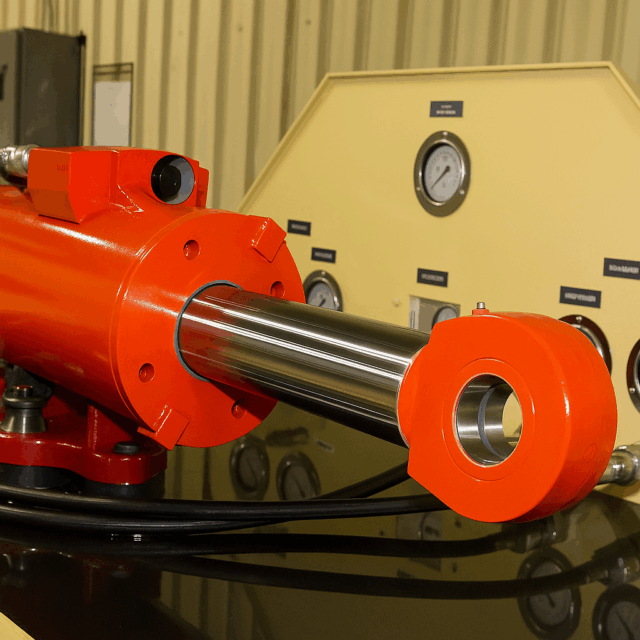
Step-by-Step Hydraulic System Diagnosis
Proper diagnosis saves time and prevents unnecessary part replacement. I follow a systematic approach that’s served me well over decades of hydraulic repair work.
Start with visual inspection before touching anything. Look for obvious leaks, damaged hoses, loose connections, or contaminated fluid. Check fluid levels and appearance. This takes five minutes but often reveals the problem immediately.
Check system pressures at key test points. Most hydraulic systems have test ports at the pump outlet, before major valves, and at actuator connections. Compare actual pressures to specifications. Low pressures usually indicate pump wear or internal leakage, while high pressures might mean blocked return lines or stuck relief valves.
Monitor fluid temperatures during operation. Normal operating temperatures vary by system, but anything above 80°C indicates problems. High temperatures can result from undersized reservoirs, blocked coolers, or excessive internal leakage creating heat.
Test individual components systematically. If system pressure is low, isolate the pump by testing pressure directly at its outlet. If pump pressure is good but system pressure is low, look for internal leakage in valves or cylinders.
Perform flow tests when pressure tests don’t reveal problems. Sometimes pumps maintain pressure but can’t deliver sufficient flow for proper operation. Flow testing requires specialised equipment but provides definitive answers about pump condition.
Check contamination levels using fluid analysis. Particle counts reveal wear rates and contamination sources. Water content, acid levels, and additive depletion also affect system performance and component life.
Document findings throughout the process. Notes help track problem patterns and verify repair effectiveness. I keep detailed records for all systems I maintain – it’s amazing how often similar problems recur after specific time intervals.
Create repair priority lists based on findings. Some issues need immediate attention for safety reasons, while others can wait for scheduled maintenance windows. Proper prioritisation prevents unexpected failures while managing costs effectively.
Good diagnosis takes patience, but it prevents throwing parts at problems hoping something fixes them.
Seal Replacement and Maintenance Procedures
Seal replacement represents the most common hydraulic repair, and doing it properly determines how long the repair lasts. Poor seal installation often leads to premature failure and repeated problems.
Choose correct seal materials for your specific application. Different hydraulic fluids require different seal compounds. Nitrile works well with petroleum-based fluids, while polyurethane handles higher pressures better. Using wrong seal materials guarantees early failure.
Clean everything thoroughly before starting work. Contamination kills new seals faster than anything else. I use lint-free cloths and approved solvents to clean seal grooves, shafts, and housings. Any dirt or debris left behind will damage new seals immediately.
Inspect seal grooves carefully for damage or wear. Nicked or worn grooves won’t hold seals properly, leading to leakage. Minor damage can sometimes be repaired with fine abrasives, but severely damaged components need replacement or professional machining.
Use proper installation techniques to avoid seal damage. Sharp edges, scratches, or improper tools can cut seals during installation. I always use seal installation sleeves or tapered guides to protect seals as they pass over threads or sharp edges.
Apply correct lubrication during installation. Dry seals can tear or roll during assembly. Light coating of system fluid or assembly lubricant helps seals slide into position without damage. Avoid petroleum products with incompatible seal materials.
Check seal orientation before final assembly. Some seals are directional and won’t work properly if installed backwards. O-rings need proper squeeze in their grooves, while lip seals must face the correct direction relative to pressure.
Torque connections properly after seal installation. Under-torquing allows leakage, while over-torquing can distort housings and damage seals. Always use torque specifications from equipment manuals or component manufacturers.
Test carefully after completion. Bring system pressure up gradually while watching for leaks. Full pressure testing should wait until seals have time to set properly – usually 24 hours for critical applications.
Quality seal installation takes time, but properly done repairs last years instead of months.
Pump Repair and Replacement Strategies
Hydraulic pump problems can shut down entire systems, making proper repair strategies crucial for minimising downtime. Deciding between repair and replacement depends on several factors I’ve learned to evaluate quickly.
Assess pump condition before making repair decisions. Minor issues like worn seals or damaged fittings usually justify repair, especially on newer pumps. However, significant internal wear, cracked housings, or contamination damage often make replacement more economical.
Consider pump age and availability when planning repairs. Older pumps may have discontinued parts or long lead times for components. Sometimes a replacement pump costs less than rebuilding an old one, especially when downtime costs are factored in.
Evaluate system contamination levels before installing any pump. If system fluid is heavily contaminated, even a new pump won’t last long. Clean the entire system, replace filters, and flush thoroughly before pump installation.
Match pump specifications exactly during replacement. Flow rates, pressure ratings, mounting configurations, and shaft specifications must match original requirements. Upgraded pumps might seem attractive, but system components may not handle increased capabilities.
Plan installation carefully to minimise downtime. Pre-fabricate connecting lines, gather all necessary fittings, and have replacement fluid ready. Proper planning can reduce installation time from days to hours.
Prime pumps properly before initial startup. Dry pumps can be damaged within seconds of startup. Fill pump housings with clean fluid and turn shafts by hand to distribute fluid before connecting drive motors.
Break in new pumps gradually using reduced loads and pressures initially. Full-load operation immediately after installation can damage internal components before they’ve had time to seat properly. I typically run new pumps at 50% load for the first few hours.
Monitor performance closely after installation. Check pressures, temperatures, and noise levels regularly during the first week. Early detection of problems allows correction before major damage occurs.
Smart pump replacement considers the entire system, not just the failed component.
Preventive Maintenance Best Practices
Preventive maintenance costs fraction of repair expenses while dramatically extending system life. After maintaining hundreds of hydraulic systems, I’ve developed routines that prevent most common failures.
Fluid analysis programs provide the best return on maintenance investment. Regular sampling reveals contamination trends, component wear rates, and fluid condition before problems become failures. I recommend quarterly sampling for critical systems, annually for less critical applications.
Filter replacement schedules should be based on actual contamination levels, not just time intervals. Bypass indicators show when filters reach capacity, but particle counters provide more precise information. Clean systems can run longer between changes, while dirty environments need more frequent service.
Temperature monitoring prevents many hydraulic problems. Install permanent temperature gauges on critical systems and check readings daily. Sudden temperature increases indicate developing problems that need immediate attention.
Pressure testing schedules catch performance degradation early. Monthly pressure checks at key test points reveal gradual component wear before complete failure occurs. Keep records to track performance trends over time.
Visual inspections during operation reveal problems that testing might miss. Look for leaks, unusual noises, erratic operation, or component damage. Train operators to recognise warning signs and report problems immediately.
Seal replacement programs for critical systems prevent unexpected failures. High-use cylinders and pumps benefit from scheduled seal replacement based on operating hours rather than waiting for failure. Planned maintenance is always cheaper than emergency repairs.
Fluid cleanliness standards must match system requirements. Servo valves need much cleaner fluid than simple cylinders. Establish contamination targets for each system and maintain them consistently.
Documentation systems track maintenance history and predict future needs. Record all service activities, component replacements, and performance measurements. Patterns often reveal root causes of recurring problems.
Consistent preventive maintenance transforms hydraulic systems from constant headaches into reliable workhorses.
Professional vs DIY Repair Considerations
Deciding between professional repair services and in-house maintenance requires honest assessment of capabilities, safety requirements, and cost implications.
Safety considerations often dictate professional involvement. High-pressure systems can cause serious injury or death if handled improperly. Hydraulic injection injuries require immediate medical attention and can result in amputation. If you’re not properly trained and equipped, call professionals.
Diagnostic capabilities vary significantly between shops. Complex system problems require expensive test equipment and years of experience to solve efficiently. Simple seal replacements might be within DIY capabilities, but intermittent problems or performance issues often need professional diagnosis.
Tool requirements can make DIY repairs impractical. Specialised tools for large cylinder repairs, pump rebuilding, or valve testing cost thousands of pounds. Unless you’re doing regular hydraulic work, professional services often cost less than buying proper tools.
Downtime costs must factor into repair decisions. Professional repair services usually work faster due to experience and proper equipment. If system downtime costs hundreds per hour, paying premium labour rates makes economic sense.
Warranty considerations affect repair choices. Many manufacturers void warranties if repairs are done by unqualified personnel. Professional repair shops often provide warranties on their work, reducing your risk.
Training requirements for safe hydraulic work are substantial. Understanding pressure ratings, fluid compatibility, torque specifications, and safety procedures takes time to learn properly. Mistakes can be expensive and dangerous.
Parts availability often favours professional shops. Established repair facilities have relationships with suppliers and can source hard-to-find components more easily. They also stock common parts, reducing downtime.
Quality standards in professional shops typically exceed DIY capabilities. Proper cleanliness, torque procedures, and testing equipment produce more reliable repairs. The cost difference often pays for itself through longer repair life.
Emergency services from professional shops can save businesses during critical breakdowns. Many offer 24-hour service for urgent repairs, something impossible to match with DIY approaches.
Make repair decisions based on realistic assessment of your capabilities and the true cost of failure.
Frequently Asked Questions
How often should hydraulic fluid be changed? Fluid change intervals depend on contamination levels and system design rather than strict time schedules. Most systems need fluid changes every 1,000-2,000 operating hours, but contaminated environments may require more frequent changes. Regular fluid analysis provides the best guidance for change intervals.
What causes hydraulic pumps to fail prematurely? Contaminated fluid causes most pump failures, followed by cavitation from restricted inlet lines and overheating from excessive loads. Operating pumps without proper priming or using incorrect fluid types also leads to early failure. Proper maintenance and system design prevent most pump problems.
Can I mix different types of hydraulic fluid? Mixing hydraulic fluids is generally not recommended as different formulations may not be compatible. Chemical reactions between different additives can cause seal swelling, fluid breakdown, or performance problems. If mixing is unavoidable, consult fluid manufacturers for compatibility information.
How do I know if my hydraulic seals need replacement? External leakage is the most obvious sign of seal failure, but internal leakage can be more problematic. Slow cylinder operation, reduced system pressure, or increased fluid temperatures often indicate internal seal problems. Pressure testing can confirm internal leakage before external symptoms appear.
What’s the difference between hydraulic fluid types? Petroleum-based fluids are most common and work well in standard applications. Synthetic fluids offer better temperature stability and longer life but cost more. Water-based fluids provide fire resistance but require special seals and more frequent changes. Choose fluid based on your specific application requirements.
Why does my hydraulic system overheat? Overheating usually results from undersized reservoirs, blocked coolers, or excessive internal leakage creating heat. High ambient temperatures, continuous heavy loads, or inadequate ventilation also contribute. Proper system sizing and maintenance prevent most overheating problems.
How long should hydraulic repairs last? Properly executed repairs using quality components should last as long as original equipment. Seal replacements typically last 2-5 years depending on operating conditions, while pump rebuilds can provide 5-10 years of service. Poor repair quality or contaminated systems reduce repair life significantly.